Nine Acres · Four Dogs At A Time · Daily Video
Board & Train in Nashville, TN
Two to three weeks living and working with a trainer, then two lessons handing it all back to you.
The Programs
Every stay is residential, one trainer per dog, and ends with two lessons at your house.
Fourteen nights on core manners: name, sit, down, place, a leash that doesn’t pull, and a crate routine that survives the trip home. Best for dogs starting from zero.
View Two-Week Foundations →Three weeks to a dog you can call off a deer: distance recall, long-line proofing around other dogs and traffic, then off-leash reliability where it’s earned. Our most-booked stay.
View Three-Week Off-Leash →For pups eight to twenty weeks: crate and house-training, bite inhibition, sound and surface socialization, and the marker, name, and sit that make adolescence survivable.
View Puppy Head Start →For dogs that bark, lunge, or shut down around other dogs or strangers: threshold work, handler mechanics, and a six-month home plan. Blunt about what three weeks can and can’t finish.
View Reactivity Intensive →For Fieldstone graduates: five to seven nights to re-sharpen cues after a move, a new baby, or a slow slide into old habits. Same trainer, same cues, no starting over.
View Refresher Stay →Programs run continuously and we hold four places at a time — most families book six to ten weeks ahead.

About Fieldstone
Four Dogs. Not Forty.
Board and train earned a bad name because too many places run it as boarding with a training label — twenty dogs in a barn, an hour of work a day, a polished handover video.
We take four. Each one lives with a trainer, works several short sessions a day in the house, the yard and the nine acres behind it, and rests the way a dog needs to rest. You get video every day, including the days that go badly.
- Four dogs in residence, never more
- One trainer owns your dog’s program start to finish
- Video every day, good days and bad
- Force-free — no prong, choke or shock collars, ever
The Stay
What A Residential Program Includes
Board and train is expensive. Here is exactly what the money buys.
Living In A Home
Not a kennel run. Your dog lives in the trainer’s house, which is where house manners are actually learned — doors, sofas, meals, visitors.
Several Short Sessions A Day
Four to six short sessions rather than one long one. Dogs consolidate in the gaps, so the rest between is part of the training, not time off.
Daily Video
A clip every day showing the real session. You will see plateaus and bad days, because pretending they do not happen is how families get a surprise at handover.
Two Go-Home Lessons
The transfer is the whole game. Two lessons at your house, with you holding the leash, before we call the program finished.
A Written Maintenance Plan
What to practice, how often, and what drift looks like — so month three does not quietly undo week three.
Ninety Days Of Support
Message us for three months after pick-up. Most questions arrive in week four, not week one.
Straight Answers
What Board And Train Can And Cannot Do
The honest version, because the expensive disappointment in this industry is always a mismatch of expectation.
It Can Install Skills Fast
Daily, well-timed practice from a professional builds reliable behaviors far quicker than fifteen minutes a night after work. That is the real product.
It Cannot Train You
Which is why the go-home lessons exist and why we will not release a dog without them. A trained dog in an untrained household regresses in about a month.
It Cannot Cure Fear In Three Weeks
Anxiety and reactivity are emotional, and emotions change slowly. We start the work and hand you a six-month plan; anyone promising a cure is selling suppression.
It Is Not A Substitute For A Vet
If we see pain, gut trouble or a sudden behavior change, the program pauses and your dog sees a veterinarian. We refund the unused days.
The Place
Nine Acres East Of Nashville
Fields to work in, a house to live in, and no kennel block.

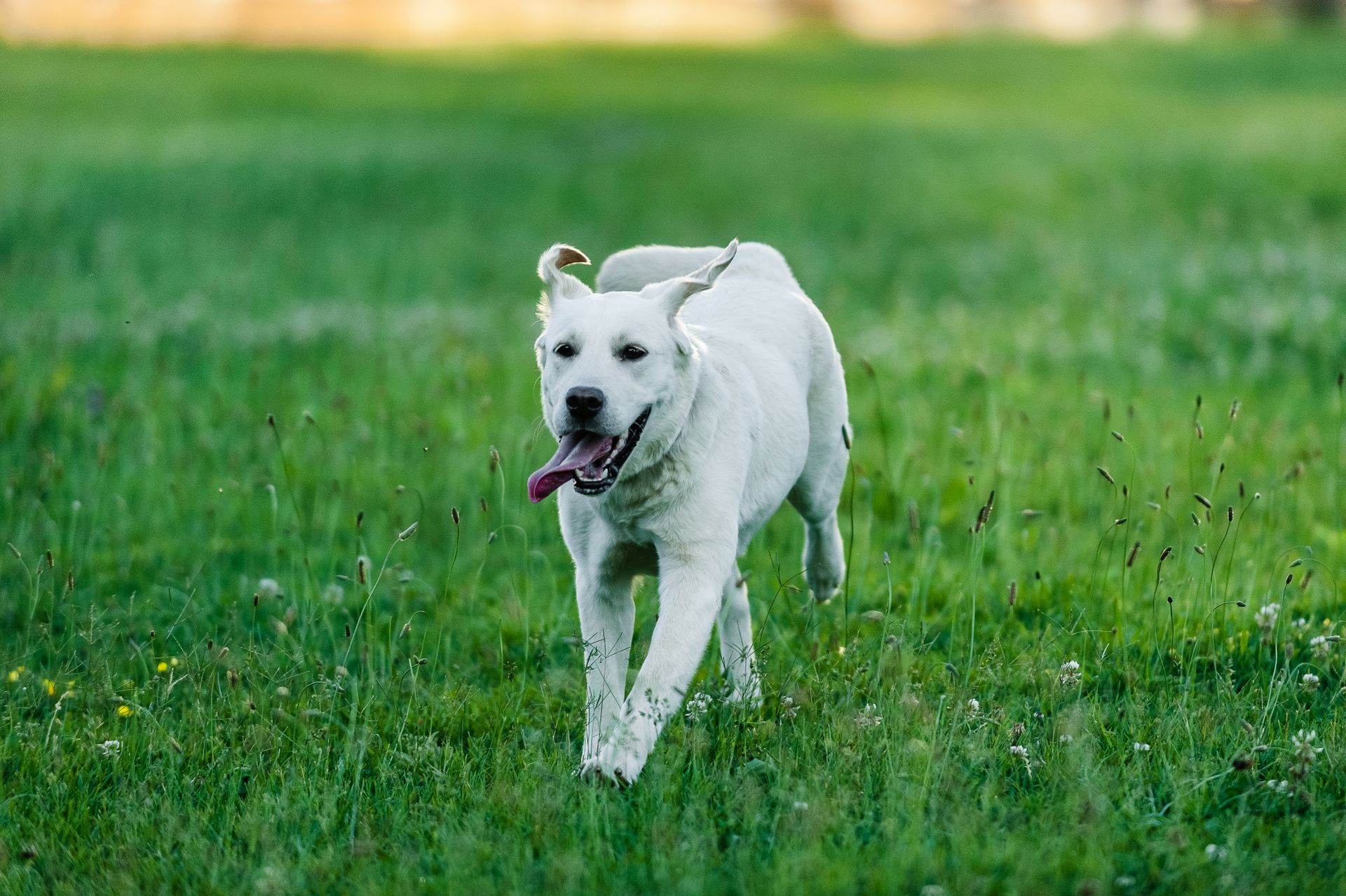
Where the off-leash work happens
The Land
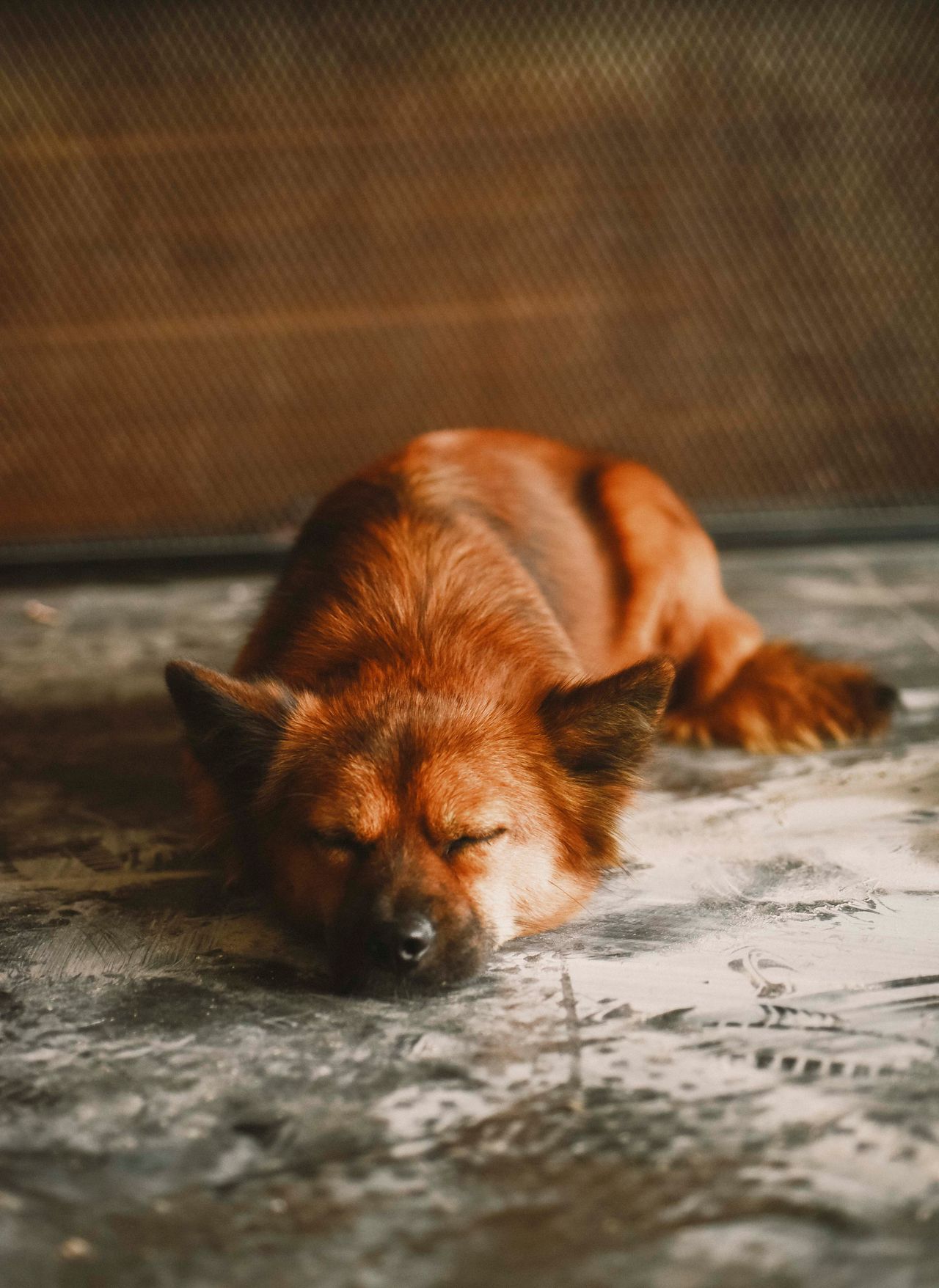
Down time between sessions
Rest
The Weeks
How A Three-Week Program Runs
Before Drop-Off
A phone assessment and a vet record. We tell you honestly whether a residential program is the right call or whether private lessons would serve you better and cost a third as much.
Week One — Settle And Foundations
Your dog decompresses for two days before any real work. Then name, marker, sit, down, place, and the beginnings of a leash that does not pull.
Week Two — Proofing
The same skills, harder. Distractions added in layers: other dogs, the field, the road noise, visitors. This is the week the video starts to look impressive.
Week Three — Off-Leash And Handover
Long-line work moves to off-leash where the recall has earned it, then two lessons at your house so the dog answers to you, not only to us.
Reviews
Nashville Families On The Program
Three weeks and we got a different dog back — same personality, none of the chaos. The two lessons at handover were the part that made it stick for us.
Wendell Pryce
The daily videos meant we never wondered what was happening. You can see the progress across the fortnight, and you can see they actually like her.
Simone Adeyemi
They told us up front that three weeks would not fix the reactivity, only start it, and gave us a home plan for the six months after. That honesty is why we chose them.
Harriet Volkov
Four dogs at a time is the difference. Our last board and train had twenty in a barn and our dog came home more wound up than she went in.
Cyrus Delacroix
The puppy head start bought us our house back. She came home crate-trained, house-trained and able to settle, which is about eight weeks of work we did not have in us.
Faye Okonjo
We did a refresher stay after moving house and it reset everything in five days. Same trainer, same cues, no starting over.
Lionel Barrett
Four Places At A Time
Check The Next Opening
Tell us your dog’s age and what you want changed. We will tell you which program fits, what it costs, and the first date we can take them.
Handover
The Two Lessons That Decide Everything
A dog who works beautifully for a trainer and ignores you is a very expensive video. So the program does not end at pick-up — it ends after two lessons at your house, with you on the leash, in the rooms and on the streets where you actually live. If the handover is not holding, we come back a third time at no charge.
- Held at your home, not ours
- You handle the dog; we coach
- Third lesson free if the transfer is not holding
- Ninety days of messaging afterwards
Questions
Before You Book A Stay
Our stays run from $750 for a refresher week to $3,900 for the three-week reactivity intensive; most families spend $2,400–$3,600. Across Nashville, reputable residential programs fall in the same band — and anything far cheaper usually means far more dogs per trainer. Every quote includes the daily video, the written plan, both go-home lessons, and ninety days of support: no add-ons, no upsells.
Done badly, it can be: long kennel days, harsh corrections, no contact home. That is the opposite of this program. Dogs live in a house, train in short force-free sessions, rest properly, and you see unedited video every day. If anything in that footage ever worried you, you would tell us — and we would want you to.
We ask you not to, at least for the first two weeks. Dogs in the settling phase rehearse old excitement patterns when their people appear and disappear, which costs days of progress. You get video every evening instead — and by week three, most families tell us the clips were better than a visit.
Then we call you early, not at pick-up. If a dog is not eating, cannot settle, or is too anxious to learn after the first few days, we pause or end the stay and refund the unused days. It happens a few times a year, and the phone assessment beforehand exists to catch most of those cases.
Skills last when the household keeps them up — which is exactly what the two go-home lessons and the written plan are for. Dogs usually slide around week four to six, when old routines creep back; that is why ninety days of messaging is included. What we cannot do is train your house for you.
Current rabies, distemper/parvo, and bordetella records, plus a note on any medications, allergies, or pain issues. Puppies need age-appropriate shots for their program dates. Send a photo or PDF of the records after the phone assessment and we will confirm everything before drop-off.
A Day Here
What Every Day Looks Like
Morning walk and a session
Before breakfast, while the yard is quiet and the dog is sharp.
Rest, properly
Crate or a settle spot. Consolidation happens in the gaps, not in the reps.
Two field sessions
Long-line and recall work on the acreage, with distraction added deliberately.
House manners
Doors, thresholds, meals, the sofa rule — learned where they actually happen.
Evening settle
The household routine your dog will need to fit into when they get home.
Your video
Cut and sent the same evening, showing the real session.
Check Availability
Tell us about your dog and what you want changed. We reply within one business day with the right program, the price and the next open date.